
Mosquito Species in New Jersey
New Jersey is home to dozens of mosquito species. This field guide goes beyond “black mosquito” versus “brown mosquito” and shows what actually helps identify the mosquitoes people encounter around yards, wetlands, woods and the coast.
Rutgers lists 63 mosquito species sampled in New Jersey. Most homeowners will repeatedly encounter only a fraction of them, but the differences in habitat and behavior matter.
See the Rutgers state list ↗What can you actually identify in a backyard?
Color helps, but behavior and habitat are often more useful. Exact species identification can require a microscope, larval characters or molecular tools—especially within look-alike groups such as Culex.
Black + bright white markings
Strong white banding on the legs plus a single pale stripe down the thorax strongly points toward the Asian tiger mosquito. Daytime biting and small containers strengthen the clue.
Explore → 02Plain brown + dusk/night
A relatively plain brown mosquito around dusk, storm drains or stagnant organic water may be in the Culex group. Species-level separation is often not reliable from a casual photo.
Explore → 03Explodes after flooding
A sudden regional wave after heavy rain or flooding can point toward floodwater mosquitoes such as Aedes vexans rather than a container source in one backyard.
Explore → 04Coastal / salt-marsh pressure
Aggressive coastal biting after high tides or marsh flooding can involve salt-marsh species such as Aedes sollicitans. These mosquitoes may travel well beyond the marsh.
Explore → 05Wooded containers / tree holes
Tree holes, shaded tires and natural containers can support Aedes triseriatus and Aedes japonicus. These can overlap with suburban container mosquitoes.
Explore → 06Wetlands / swamp ecology
Some important NJ mosquitoes are tied to specialized wetlands and may rarely be produced in the backyard itself. Culiseta melanura and Coquillettidia perturbans are good examples.
Explore →The mosquitoes worth knowing in New Jersey
These are not the only NJ species. They are a practical cross-section of container breeders, floodwater mosquitoes, urban Culex, coastal species and mosquitoes important to statewide surveillance.
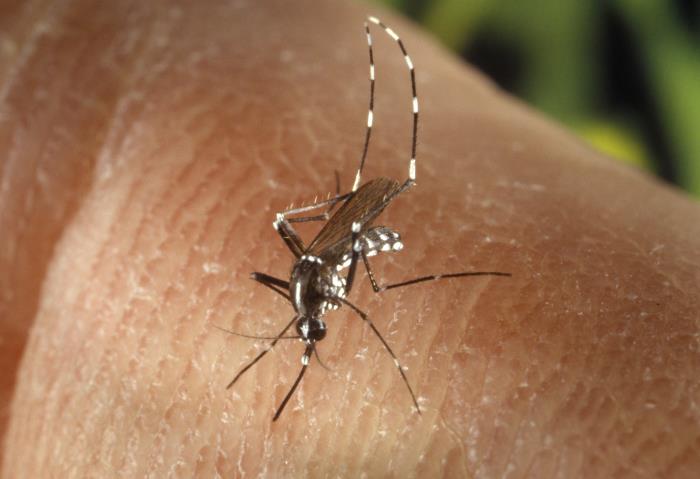
Asian Tiger Mosquito
Aedes albopictusThe easiest distinctive backyard species to recognize: black body, white leg bands and a single pale stripe along the top of the thorax.
Open profile →Aedes japonicus
Aedes japonicusAn invasive container mosquito first detected in North America from New Jersey and New York collections in 1998.
Open profile →Eastern Treehole Mosquito
Aedes triseriatusA woodland/container species tied to tree holes and shaded tires; adults have dark unbanded legs and silvery scales along the thorax sides.
Open profile →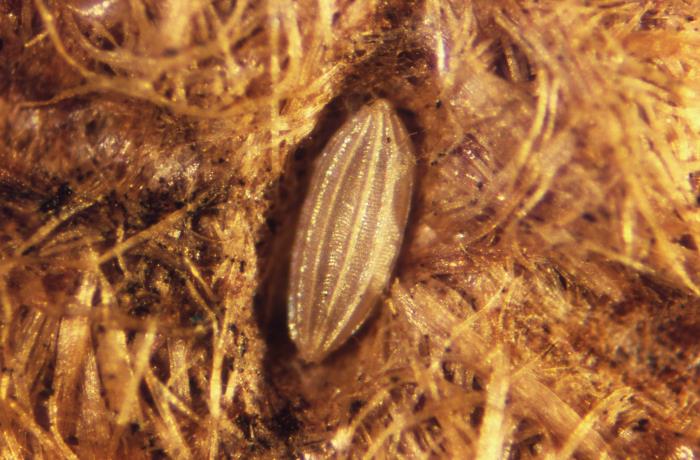
Inland Floodwater Mosquito
Aedes vexansA major nuisance mosquito whose eggs wait in flood-prone soil and hatch when water returns—helping explain regional post-rain surges.
Open profile →Eastern Saltmarsh Mosquito
Aedes sollicitansA brightly marked coastal pest produced by salt-marsh flooding; adults can move inland from breeding marshes.
Open profile →
Northern House Mosquito
Culex pipiensA plain brown house mosquito associated with catch basins, stagnant water and organically enriched aquatic habitat.
Open profile →Culex restuans
Culex restuansA widespread NJ Culex that uses everything from containers and catch basins to temporary ground water and polluted pools.
Open profile →Culex salinarius
Culex salinariusA coastal-leaning Culex associated with fresh or brackish water and emergent or decaying vegetation.
Open profile →
Culiseta melanura
Culiseta melanuraA specialized swamp mosquito central to eastern equine encephalitis ecology among birds, with larvae in dark root crypts.
Open profile →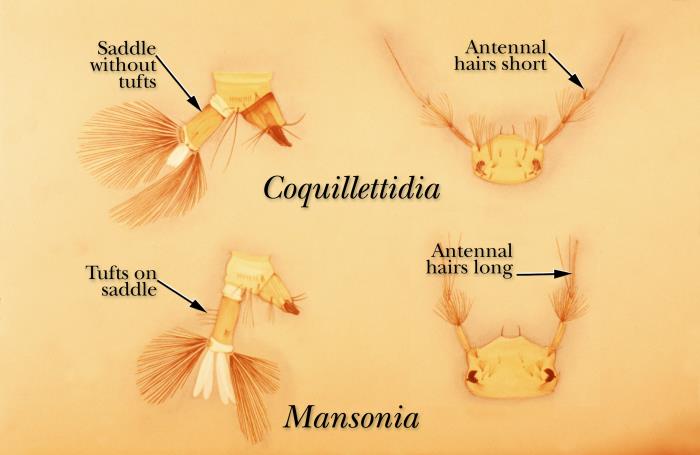
Coquillettidia perturbans
Coquillettidia perturbansAn unusual wetland mosquito whose larvae attach to roots and stems of emergent aquatic plants instead of surfacing normally for air.
Open profile →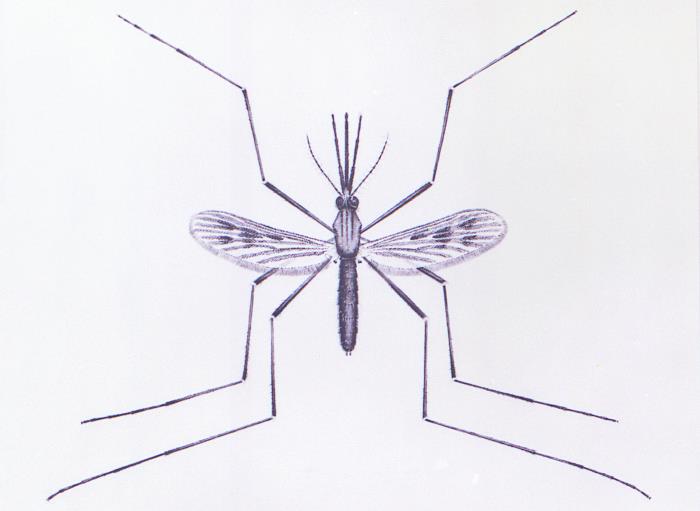
Common Malaria Mosquito
Anopheles quadrimaculatusA large dark Anopheles with four dense patches of scales on each wing; larvae lie near-parallel to the water surface.
Open profile →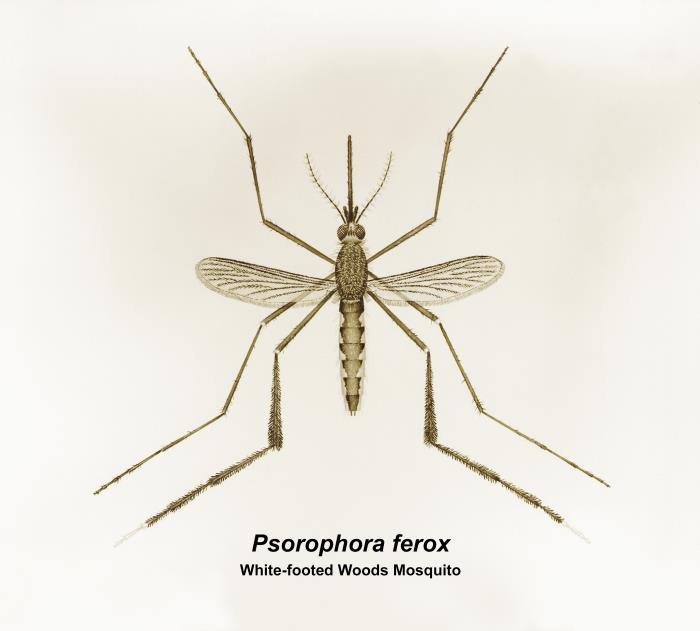
Dark Rice Field Mosquito
Psorophora feroxA robust floodwater species often associated with shaded temporary pools, wooded flood sites and aggressive host seeking.
Open profile →Learn the groups before memorizing species.
Aedes
The largest group on the NJ list. It includes container breeders, tree-hole mosquitoes, salt-marsh mosquitoes and floodwater species. Eggs are often laid where they can survive dry periods and hatch when flooded.
Culex
House-mosquito relatives that commonly use stagnant water, catch basins, containers and organically rich water. Adult females often become most noticeable from dusk into the night.
Anopheles
A distinctive genus whose adults have long palps; larvae lie nearly parallel to the water surface rather than hanging from a long siphon. NJ includes several Anopheles species.
Culiseta
Less familiar to homeowners. Culiseta melanura is especially important in EEE ecology because it maintains virus cycles among birds in swamp habitat.
Coquillettidia
Unusual larvae and pupae attach to aquatic plants to obtain oxygen. Cq. perturbans is strongly associated with emergent vegetation in freshwater wetlands.
Psorophora
Often robust, aggressive floodwater mosquitoes. Several species occur in NJ, including Psorophora ferox.
Toxorhynchites
The oddball: adults do not take blood meals, and the larvae prey on other mosquito larvae. One species is on the NJ list.
Uranotaenia + Wyeomyia
Specialized mosquitoes with very different host and habitat preferences. They remind us why “mosquito” is not one uniform backyard insect.
All 63 mosquito species sampled in New Jersey
The list below follows the Rutgers Center for Vector Biology state species resource. Taxonomic naming changes over time, so Rutgers should remain the source of truth for updated nomenclature and distribution records.
Aedes (32)32 species
- Aedes abserratus
- Aedes albopictus
- Aedes atlanticus
- Aedes atropalpus
- Aedes aurifer
- Aedes canadensis canadensis
- Aedes cantator
- Aedes cinereus
- Aedes communis
- Aedes dorsalis
- Aedes dupreei
- Aedes excrucians
- Aedes fitchii
- Aedes flavescens
- Aedes grossbecki
- Aedes hendersoni
- Aedes implicatus
- Aedes infirmatus
- Aedes intrudens
- Aedes japonicus japonicus
- Aedes mitchellae
- Aedes provocans
- Aedes punctor
- Aedes sollicitans
- Aedes spencerii spencerii
- Aedes sticticus
- Aedes stimulans
- Aedes taeniorhynchus
- Aedes thibaulti
- Aedes triseriatus
- Aedes trivittatus
- Aedes vexans
Anopheles (8)8 species
- Anopheles atropos
- Anopheles barberi
- Anopheles bradleyi
- Anopheles crucians
- Anopheles earlei
- Anopheles punctipennis
- Anopheles quadrimaculatus
- Anopheles walkeri
Culex (6)6 species
- Culex erraticus
- Culex pipiens
- Culex restuans
- Culex salinarius
- Culex tarsalis
- Culex territans
Culiseta (4)4 species
- Culiseta inornata
- Culiseta melanura
- Culiseta minnesotae
- Culiseta morsitans
Coquillettidia (1)1 species
- Coquillettidia perturbans
Orthopodomyia (2)2 species
- Orthopodomyia alba
- Orthopodomyia signifera
Psorophora (7)7 species
- Psorophora ciliata
- Psorophora columbiae
- Psorophora cyanescens
- Psorophora discolor
- Psorophora ferox
- Psorophora howardii
- Psorophora mathesoni
Toxorhynchites (1)1 species
- Toxorhynchites rutilus septentrionalis
Uranotaenia (1)1 species
- Uranotaenia sapphirina
Wyeomyia (1)1 species
- Wyeomyia smithii
When identification points to a property-level problem, Bite Back can handle the professional side.
Jersey Mosquito stays educational. Bite Back is the service company for homeowners who want professional mosquito control in New Jersey.