
Inland Floodwater Mosquito
Aedes vexans is one of the classic explanations for a mosquito problem that suddenly feels regional. Eggs wait in flood-prone soil, hatch after inundation and can produce large adult populations after wet weather.
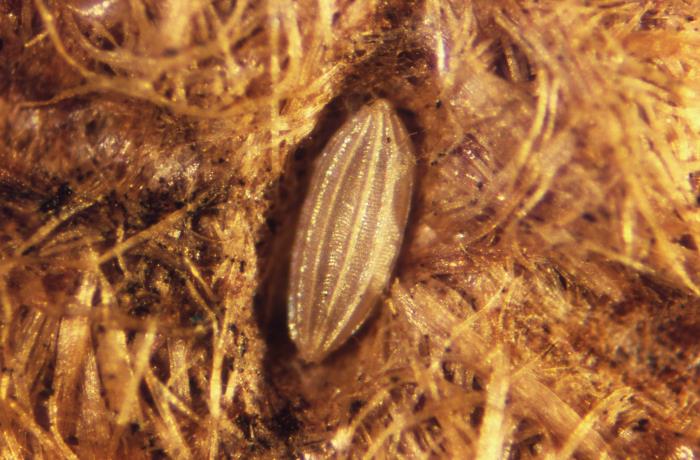
When the whole area gets bad after flooding, think beyond the backyard.
Rutgers describes Aedes vexans as an important New Jersey nuisance mosquito whose eggs are laid on moist ground likely to flood later. Adults are especially active around dusk and can disperse miles from larval habitat.
The outbreak pattern, timing and floodwater habitat are often more informative to a homeowner than adult coloration.
Floodwater life cycle
Females lay eggs on moist soil above the current water line. Eggs hatch after later inundation, and not all eggs hatch in the same flood event.
Season in New Jersey
Rutgers reports early-season larvae in parts of NJ and persistence well into October. Adult nuisance levels often build by early summer, with weather controlling subsequent broods.
Biting behavior
Females can feed in shade during the day but are particularly active around dusk. Rutgers cites peak activity shortly after sunset.
Flight range
This species can travel substantial distances. Rutgers summarizes New Jersey observations of movements measured in miles, which means the breeding site may not be on the property where people are being bitten.
Why rain matters
Flooding activates egg banks. A heavy storm can therefore trigger a synchronized brood from habitat that looked dry before the rain.
What homeowners can control
You can still remove containers and improve your own yard, but a floodwater-driven regional wave may require county mosquito-control activity as well as property-level management.
Container mosquitoes
Aedes vexans is driven by flooded ground and regional hydrology rather than only buckets, gutters or planters. A post-storm surge across a neighborhood is an important clue.
Identification questions
Can Aedes vexans come from miles away?
Yes. Rutgers summarizes studies and NJ observations showing substantial dispersal from breeding areas.
Why can mosquito numbers jump after one storm?
Flooding can hatch eggs that were already waiting in moist soil.
Does dumping containers solve a floodwater outbreak?
It removes one source category, but it cannot eliminate mosquitoes emerging from large flooded habitats outside the property.
When identification points to a property-level problem, Bite Back can handle the professional side.
Jersey Mosquito stays educational. Bite Back is the service company for homeowners who want professional mosquito control in New Jersey.