
New Jersey is home to more than 60 kinds of mosquitoes. Most of them want nothing to do with you.
Of roughly 3,500 mosquito species worldwide, more than 60 are recorded in New Jersey. Only a handful bite people often. The ones that do are full of surprises. Only females bite. Marsh mosquitoes ride the wind for miles. The state watches all season with traps and lab tests.
New Jersey has recorded more mosquito species than many states several times its size.
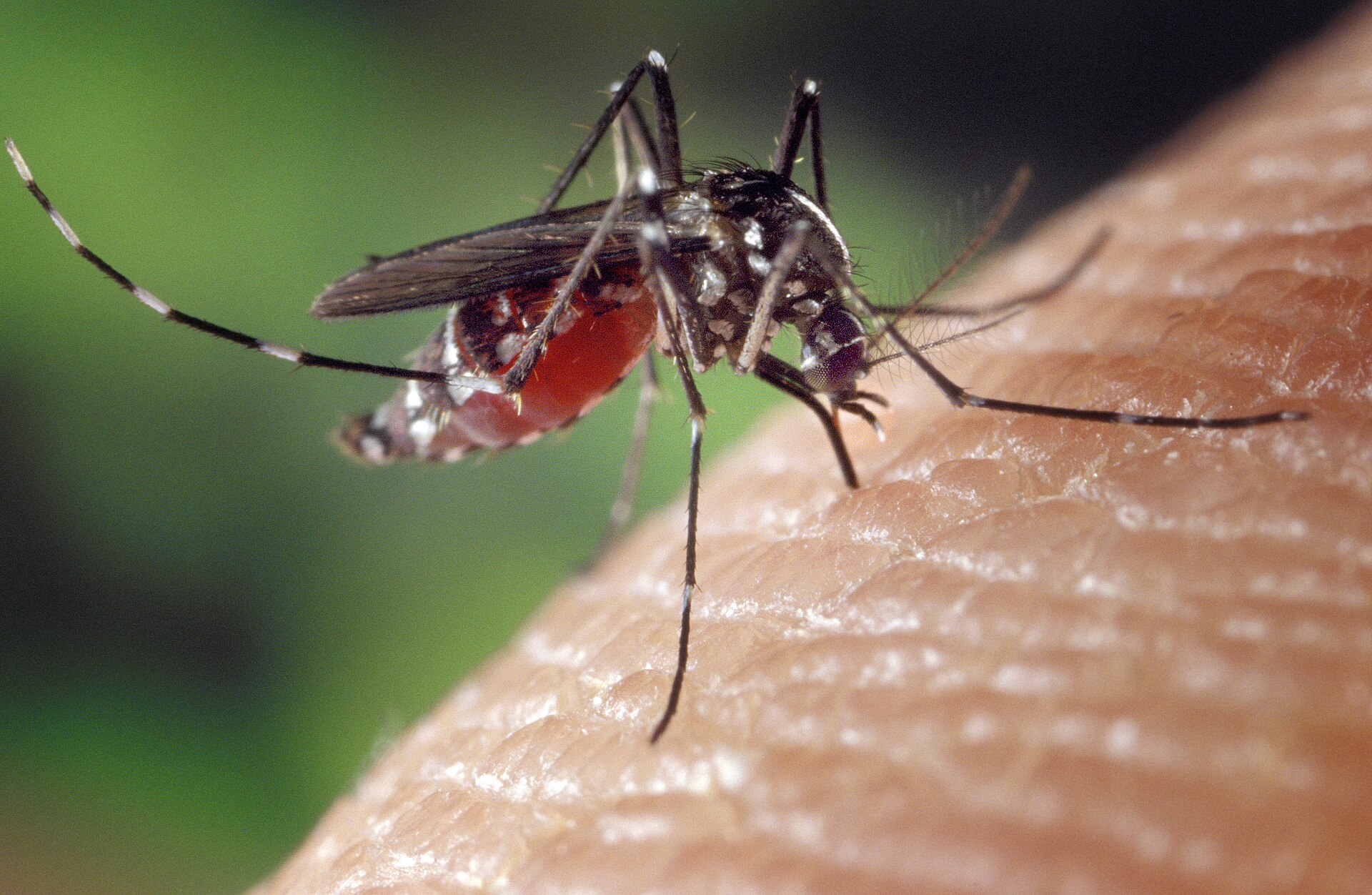
A feeding female can drink up to about three times her own body weight in a single meal.
Salt marsh mosquitoes are strong fliers and can show up many miles inland.
Most people meet mosquitoes as a whine in the dark and an itch the next morning. Look closer and the story gets stranger. The mosquito in your yard has a life cycle tied to one puddle, swamp, or marsh. Its travel range may cross three towns. Its winter survival plan is worthy of a spy novel.
Only the females bite. It is not about hunger.
Every mosquito that has ever bitten you was female. Males cannot bite at all. They feed on plant juices and nectar and live around flowers and shade. Females feed on nectar too. They take blood for a completely different reason: eggs. Blood carries the protein and iron a female needs to grow a batch of eggs. So a bite is really a supply run for the next generation.
A feeding female can take in up to about three times her body weight in blood. Then she flies off, heavy and slow. She rests while the eggs grow. A few days later she lays them on or near water and goes looking for another meal. She can repeat that cycle several times. That is why one mosquito can account for a whole evening of bites.
They find you by your breath
Mosquitoes do not wander at random until they bump into a person. They hunt in stages. First, they pick up the carbon dioxide you breathe out. It drifts downwind in little pulses with every breath. Following that trail gets them close. At short range, they switch to body heat and skin smell. That is why two people on the same porch can have very different nights.
That whine near your ear is part of the same story. A mosquito’s wings beat hundreds of times per second. That pitch is the whine that gives her away at the last second. By the time you hear it, she has already followed your breath and warmth across the yard. She found you with better gear than your ears.
The shore grows the state’s champion travelers
The salt marsh mosquito, Aedes sollicitans, may be the most New Jersey insect of all. It lays eggs in the high marsh along the coast. The eggs sit on damp marsh soil. They hatch when tides or storms flood them. Whole groups can emerge at once after a big tide. That is why shore mosquitoes arrive all together, not one by one.
Then they travel. Most yard mosquitoes stay within a few hundred feet of where they hatched. But salt marsh mosquitoes are strong fliers. They can cover many miles, and wind carries them well inland. A bad evening in a town with no marsh of its own may still be a marsh story. County programs manage this with water control and careful marsh work. You cannot dump a marsh like a bucket.
One shipment of used tires changed New Jersey summers
The Asian tiger mosquito did not walk here. It arrived in the United States in the 1980s in shipments of used tires. Used tires hold water, shelter eggs, and travel well. The eggs survived the trip. The tires sat outdoors. A day-biting tropical mosquito got its start in a new country. From there, it spread state to state. It often spread the same way it arrived: in water-holding cargo.
Today it is the most common day-biting yard mosquito in much of New Jersey. Unlike the dusk biters many people grew up with, it is active in full daylight. It flies low. It bites ankles around decks and play sets. It lays eggs in very small amounts of water: a bottle cap, a plant saucer, a fold in a tarp. That is why a ten minute yard walk matters more than any other single habit.
Winter does not end them, and the state is watching
Many species spend the cold months as eggs, laid in soil or containers. The eggs can wait, dry and dormant, until water returns in spring. Some Culex females take the other route. They mate in the fall. They spend the winter as adults in sheds, crawl spaces, and culverts. They are ready to bite in the first warm weeks.
While they wait, New Jersey keeps score. Every season, county programs set traps. They count and identify what they catch. They send pools of mosquitoes to labs for virus testing. West Nile virus has been part of New Jersey summers since it arrived in the region around 1999. This testing is how the state knows where it is active. A positive pool is an early signal from that system. It is the system working, not a reason to panic.
Keep going down the rabbit hole
Three reads that go further.
Two useful follow-ups
How many kinds of mosquitoes in New Jersey actually bite people?
Only a minority of the state’s 60 plus species. Many feed on birds or other animals and ignore people completely. The regular biters are a short list. There is the Asian tiger mosquito in yards. There are Culex species around homes and standing water. There are salt marsh mosquitoes near the coast. And there are a few floodwater species after storms.
If only females bite, what are the males doing in my yard?
Feeding on plant juices and looking for mates. Males gather near the places females visit, which includes your yard and porch. A swarm of males is harmless: not one of them can bite. Our guide to male and female mosquitoes explains how to tell them apart.
Why do mosquitoes seem worse some years than others?
Weather writes the script. Wet springs fill egg-laying sites. Hot summers speed growth from egg to adult. Drought can push mosquitoes and birds to the same shrinking water. County trap counts show the difference clearly from one season to the next.
Where this information comes from
Jersey Mosquito uses facts from public health, government, and college sources. It adds tips for New Jersey yards. This article is for learning. It is not medical advice. It is not an official state health notice.
Want professional mosquito control for your yard?
Jersey Mosquito is the education side. Bite Back Tick & Mosquito Control treats yards across its New Jersey service area.