A “pool” is a group tested in a lab. It is not a pond. It is not a swimming pool.
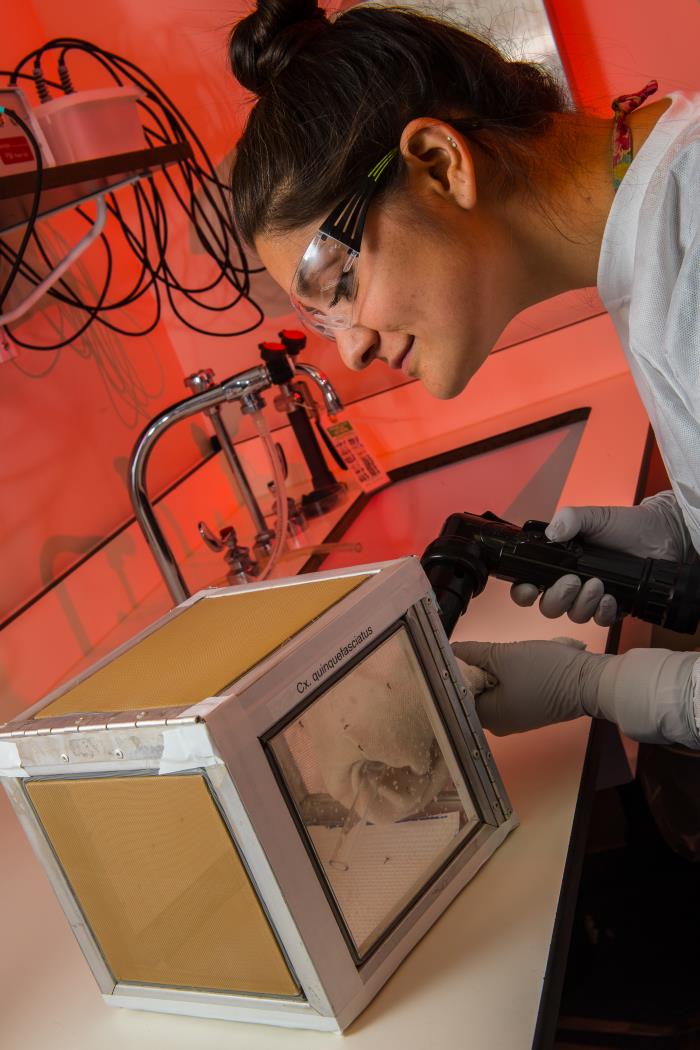
Mosquito test programs collect mosquitoes. They name and sort them. They test groups of mosquitoes together. If a batch tests positive for a virus like West Nile virus, it is called a positive mosquito pool. The result confirms pathogen activity in that surveillance sample; it does not mean every mosquito in the batch—or every mosquito in the neighborhood—is infected.
Mosquitoes that were caught are grouped for lab tests.
The test found signs of the target germ in that batch.
A positive pool alone does not tell you the exact rate. It does not tell how many mosquitoes near you are infected.
The words “positive mosquito pool” are easy to read wrong. Once you know how testing works, the headline is much more help. It is much less strange.
Mosquitoes are caught before they are tested
Testing starts in the field. Mosquito control pros use different traps for different goals. Some traps catch adults that seek a host. Some catch females with eggs (gravid females). Some catch eggs. Trap place and timing affect what a sample can tell the team. Mosquito species affect it too.
Mosquitoes that were caught are then named and sorted. That species data counts. Each species lives in a different place. Each acts in a different way. Each has a different role in how germs spread.
Why labs test groups, not each bug on its own
Testing mosquitoes in batches saves time and work. A positive result tells health pros one thing. The germ was in at least part of that tested group.
It does not make it right to say each mosquito in the group was infected. You cannot turn it into a plain claim. You cannot say “one in ten mosquitoes in this town has West Nile virus.” You need more data and more study first.
How staff use the signal
Staff weigh a positive pool with other facts. They look at species and counts. They look at place and past finds. They look at weather. They look at human and animal tests and other local data. Mosquito control plans can use that full picture. They can guide more tests. They can guide more control work too.
That is why the official source counts more than a social media screenshot. County and state groups can explain a find. They can share the date and place. They can share the species. They can share what was done and why.
What to learn from a positive report
Treat it as a sign. Germs spread by mosquitoes were found by the test system. Do not treat it as proof that your own yard is a danger. Follow official health advice. Use the right bite protection. Watch for local county notes.
For disease risk questions, Jersey Mosquito points you to NJDOH and CDC. It points you to local health groups too. Yard mosquito pressure and human disease risk are linked. But they are not the same measure.
Follow the test trail.
Our newsroom sums up official updates. The disease and county pages point back to the health groups. Those groups are in charge of reading the results.
Two useful follow-ups
Does a positive mosquito pool mean the whole town has the germ?
No. It means a lab found the target germ. The germ was in one tested batch of caught mosquitoes. Officials read that result with other facts. They use species, place, and counts. They use other test data too.
Should I use a positive pool report as my own disease risk score?
No. A test result is a health signal for the public. It is not a risk score made just for you. Follow advice from NJDOH and CDC. Follow local health advice too. They tell how to prevent disease.
Where this information comes from
Jersey Mosquito uses state, health, and school sources. It adds New Jersey yard facts. This page is for learning. It is not health advice. It is not an official disease notice.
Want mosquito control help for your yard?
Jersey Mosquito is the learning side. Bite Back Tick & Mosquito Control does pro yard care in its New Jersey service area.