THE QUICK ANSWER
The state shared an update in early October. New Jersey had 26 human West Nile cases for the season. The count includes the first West Nile death of the season.
That count comes from the New Jersey Department of Health. It is from the update on October 2, 2026. It tells how the virus moved through the state. The virus moved quietly all season. In New Jersey, the risk does not end when summer ends. It ends with hard frost.
EARLY-OCTOBER COUNT26 human cases reported
That was the count in the state’s October 2, 2026 update.
FIRST DEATHOne death reported
That update also told of a death. It was the first West Nile death of the 2026 season in New Jersey.
SEASON ENDHard frost ends the risk
Cold that lasts stops adult mosquitoes. The season’s risk ends with it.
Every fall, the state adds up the West Nile season. The 2026 numbers are worth a closer look. They show how the virus moves through New Jersey. They show why October still counts as mosquito season here.
01
Tracking runs all season, not just when cases show up
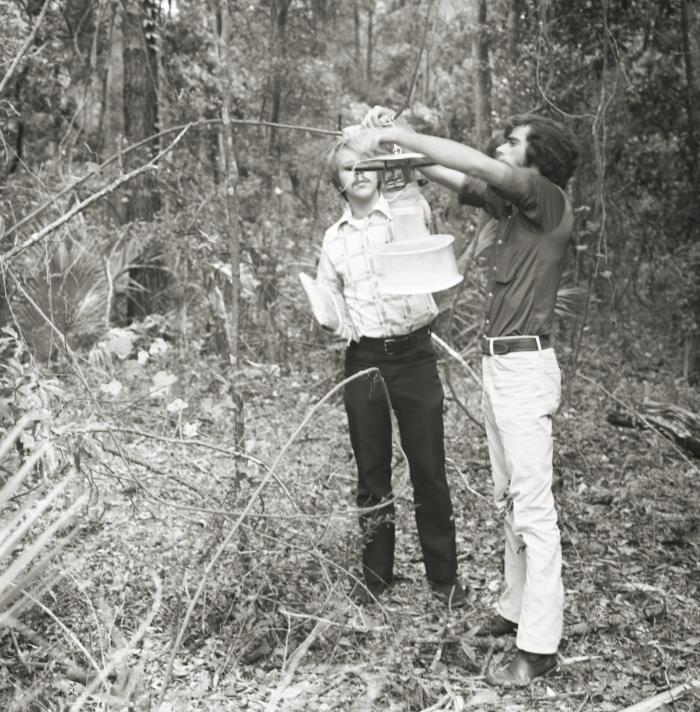
Long before the first human case is reported, New Jersey is watching. Traps set around the state collect adult mosquitoes. Groups of those mosquitoes are called pools. The pools are tested for West Nile virus. Positive pools show where the virus is spreading. They show it weeks before anyone gets sick. That testing runs through the whole season. It winds down as cold weather stops the mosquitoes. Low trap counts in fall are a sure sign. They say the season is closing. Trust them more than the date on the calendar.02
Most infections are never counted at all
The 26 reported cases are the part we can see. They are not the whole season. Most people infected with West Nile virus never get symptoms. So they are never tested. They never appear in any count. The true number of infections is always larger than the reported number. That holds in a season like this one. The cases that get counted tend to be the serious ones. The risk of serious illness is highest for older adults. A season like this deserves attention. It had 26 reported cases and a first death. Yet most infections pass with no one noticing.03
The risk builds all summer and runs into the fall
West Nile is the mosquito-borne illness New Jersey sees most years. And it follows a slow build. The virus spreads more as the summer goes on. So more mosquitoes carry it as time passes. The share tends to be higher in late summer and early fall than in June. Warm fall weather keeps mosquitoes out and biting into October. This happens in many New Jersey towns. The season’s risk ends with hard frost. Cold that lasts finishes the adult mosquitoes. Those adults carry the virus from yard to yard.04
What the wrap-up means for your yard
Until that hard frost arrives, the habits that matter in July still matter. Dump standing water once a week. Cover up on warm evenings outside. Treat bites in October like bites in August. The calendar says fall. The mosquitoes go by temperature. Once hard frost settles in, the season closes on its own. The state winds down its trapping and testing until spring. The wrap-up numbers then become next year’s baseline. The new season will be measured against that mark.KEEP EXPLORING
Follow the season from the traps to the first frost.
These guides explain who tracks mosquitoes in your county. They tell what happens to mosquitoes as the cold comes.QUICK QUESTIONS
Two useful follow-ups
Is West Nile the only mosquito illness in New Jersey?
It is the mosquito-borne illness New Jersey sees most years. That is why the state’s tracking system is built around it. Traps and pool tests run all season. They aim to find this virus early.When is the West Nile season really over?
The season ends with hard frost. Cold that lasts finishes the adult mosquitoes. The state winds down its trapping and testing. The risk of new infections ends with it.SOURCES & FURTHER READING
Where this information comes from
CDC – Control Mosquitoes at HomeOfficial source ↗CDC – About MosquitoesOfficial source ↗NJDEP – Mosquito ControlOfficial source ↗Rutgers – Mosquito BiologyOfficial source ↗
Jersey Mosquito uses official health, government, and university sources. It adds New Jersey yard context. This article is for learning. It is not medical advice. It is not an official disease-tracking notice.
WHEN DIY IS NOT ENOUGH